



 E-Commerce
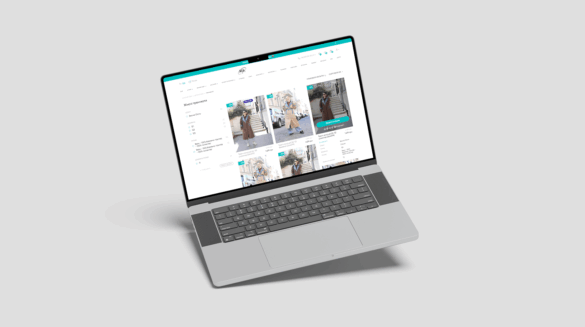
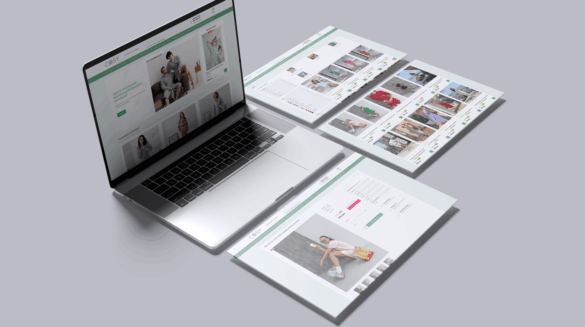
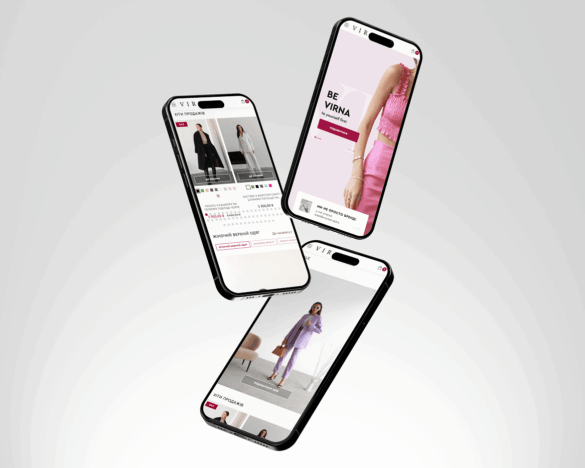
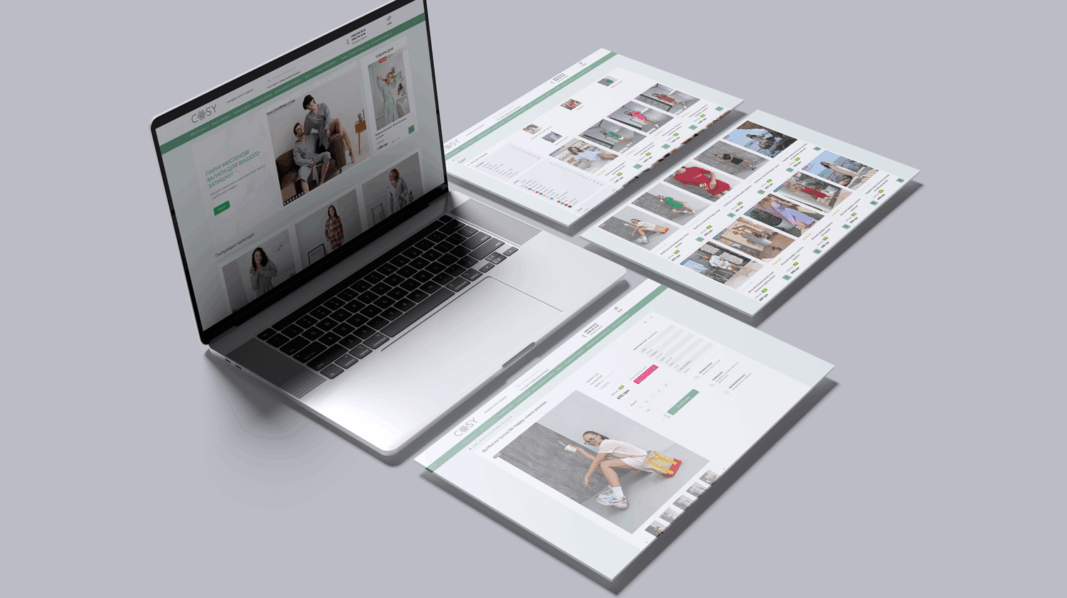
Online store for a Ukrainian homewear brand
We created an online store for a brand that sells comfort and a sense of home.
E-Commerce
Online store for a Ukrainian homewear brand
We created an online store for a brand that sells comfort and a sense of home.
 Corporate website
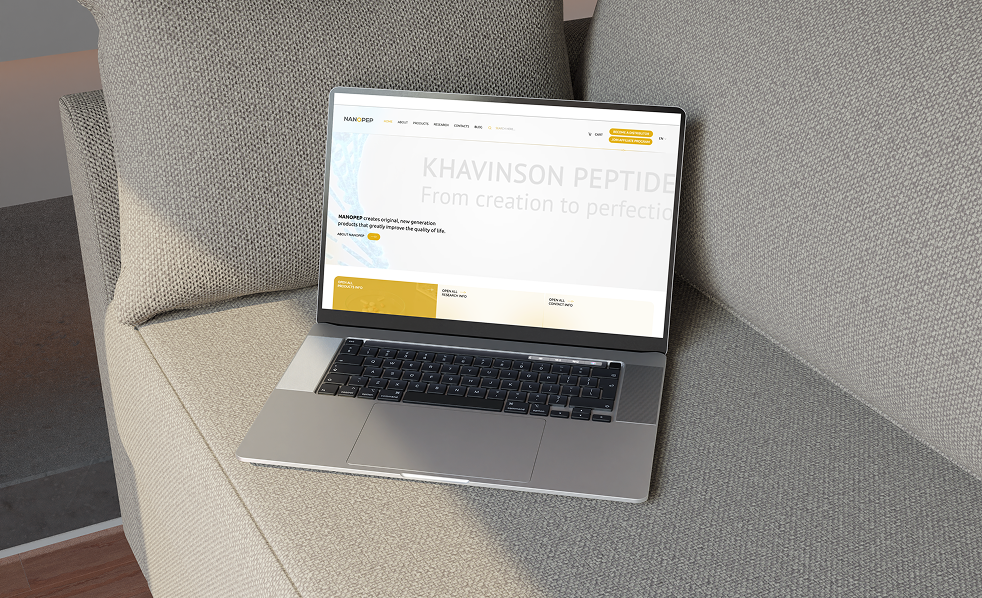
Nanopep
Nanopep website with an integrated online store, multilingual support, and full eCommerce functionality.
Переглянути сайт
Corporate website
Nanopep
Nanopep website with an integrated online store, multilingual support, and full eCommerce functionality.
Переглянути сайт
 Corporate website
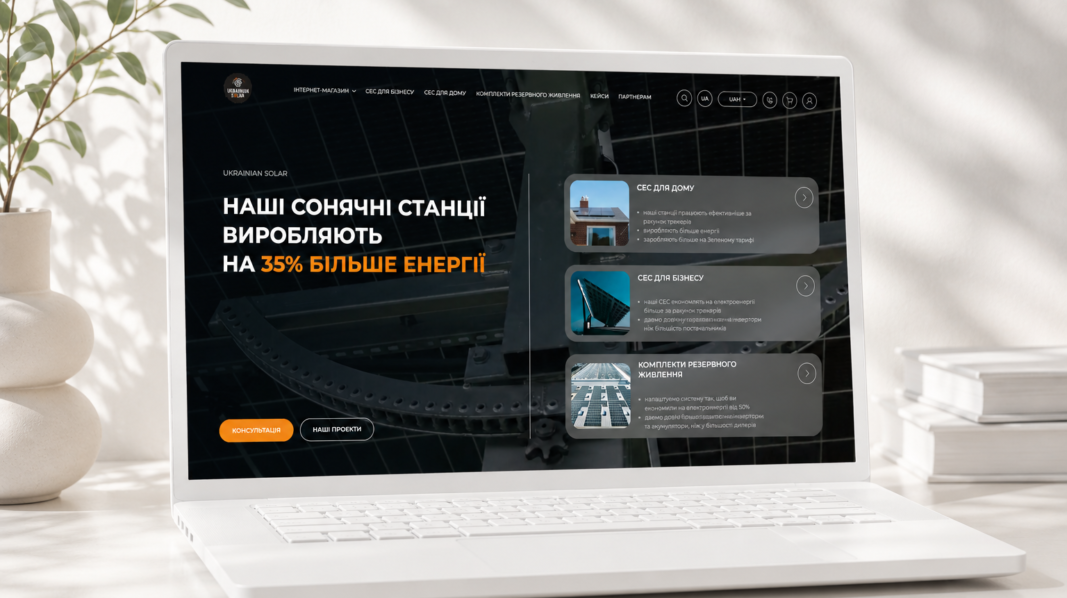
Ukrainian Solar case study
A website for a solar energy company with interactive calculators, a map of completed projects, and a commercial…
Переглянути сайт
Corporate website
Ukrainian Solar case study
A website for a solar energy company with interactive calculators, a map of completed projects, and a commercial…
Переглянути сайт
 E-Commerce
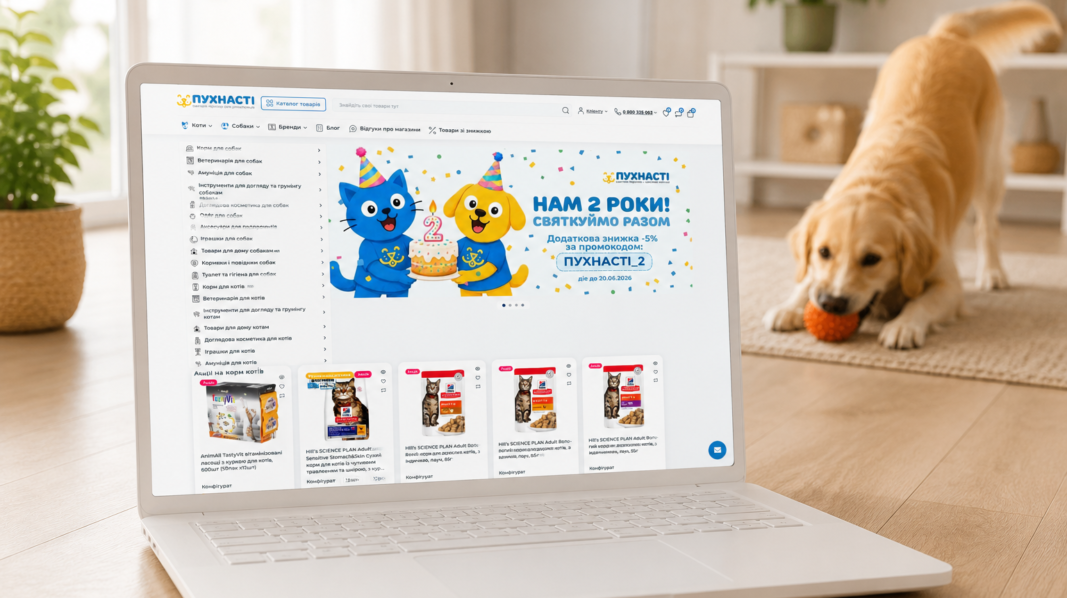
Online store on OpenCart for the Puhnasti pet store
Online store for a pet shop
Переглянути сайт
E-Commerce
Online store on OpenCart for the Puhnasti pet store
Online store for a pet shop
Переглянути сайт
 Corporate website
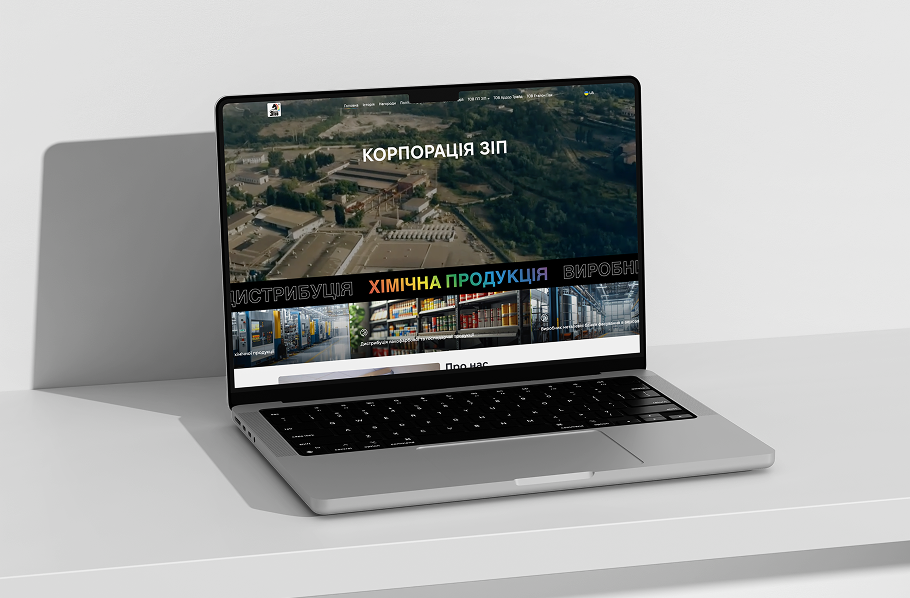
 with a product catalog for ZIP Corporation
ZIP is a corporation comprising several companies that manufacture paints, coatings, and automotive chemicals.
Переглянути сайт
Corporate website
Corporate website with a product catalog for ZIP Corporation
ZIP is a corporation comprising several companies that manufacture paints, coatings, and automotive chemicals.
Переглянути сайт



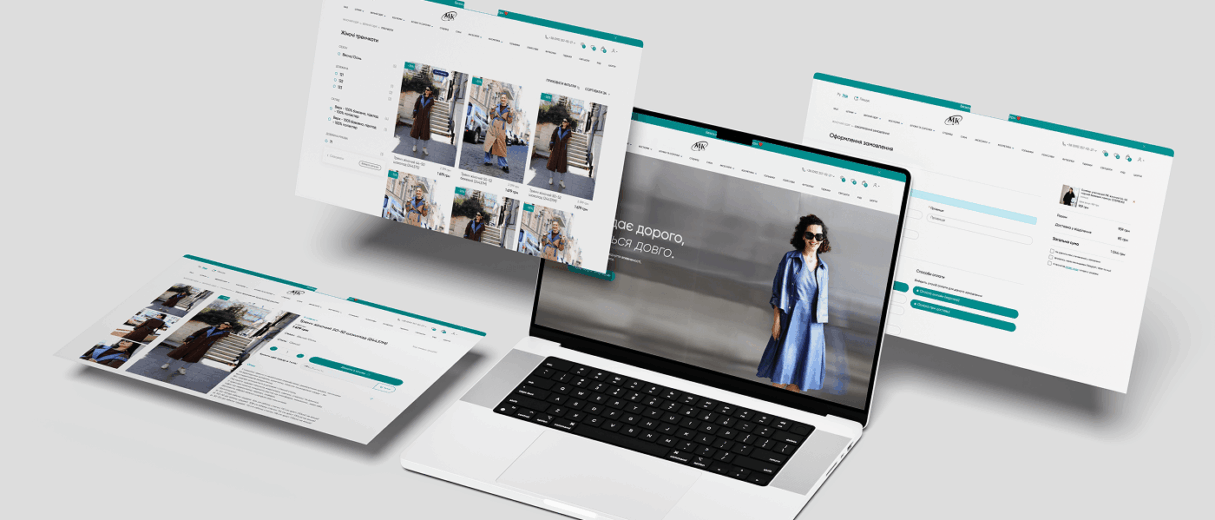


- Launched an e-commerce website on OpenCart
- Customized the design to match the COSY brand style
- Integrated Nova Poshta, UkrPoshta, and ROZETKA
- Integrated online payments via WayForPay
- Implemented two-way integration with MyDROP CRM
- Developed an SEO filter for convenient product selection
- Carried out technical SEO tasks
- Launched contextual and targeted advertising
Task
To develop a modern platform for brand presentation, product sales, and further business scaling in the international market.
Result
We developed a corporate website with a modern design, integrated online store, multilingual support, user-friendly management system, and readiness for scaling in the international market.
Task
To create a comprehensive digital platform for a company in the solar energy sector, which helps to present services, showcase completed projects, attract leads, and automate part of the managers’ workflow.
What we did
- developed a marketing structure for the website;
- created UX/UI design;
- implemented the website on OpenCart;
- developed custom case study pages;
- added an interactive map of completed projects;
- created a solar power plant payback calculator;
- implemented an inverter selection calculator;
- developed a commercial offer builder;
- set up convenient content management from the admin panel.
Result
The client received a comprehensive sales platform.
Task
Migrate the website from Magento to OpenCart so that the online store becomes easier to maintain, more cost-effective to develop, and more convenient for the client’s team.
Result
- Migrated a large online store to a more user-friendly CMS
- Preserved the SEO structure,
- Configured integrations
- Created product feeds
- Set up e-commerce tracking
- Added tools for sales personalization.
Task
To develop a modern corporate website with a product catalog, user-friendly structure, filtering, responsive design, and the ability to place orders.
Result
- developed a new website with design from scratch,
- prototyping and responsive layout;
- transferred and structured a catalog of about 250 products and around 20 categories;
- implemented filtering, shopping cart, and order placement functionalities;
- integrated delivery via Nova Poshta and online payments through LiqPay;
- provided basic SEO features: metadata, text blocks, microdata markup, technical optimization, and the ability for internal linking;
- created a convenient tool for corporate presentation, product showcasing, and accepting online orders.
We create a catalog where the customer can quickly find the desired model, even if the assortment includes many categories, collections, and variations.
- Categories and subcategories
- Filters by size, color, and other parameters
- Product variations and accurate stock levels
- Fast search for the required model
We implement the SEO structure already at the development stage to attract organic traffic by product categories and scale the catalog.
- SEO-friendly URLs
- Metadata management
- SEO pages for categories and filters
- Microdata markup and technical optimization
We set up import and catalog updates so that the team doesn’t have to manually change prices, stock levels, and product features.
- Import and bulk update of products
- Synchronization of prices and stock levels
- Integration with CRM / accounting system
- Minimization of manual work

- Easy to manage products, categories, and options
- Implement advanced filtering and search
- Connect payment, delivery, and marketplace integrations
- Integrate CRM, ERP, and accounting systems
- Scale the project without the need for a complete website redesign
- Build a proper SEO structure from the development stage
We prepare structured product feeds so that a single catalog can be used across multiple sales channels.
- Google Merchant Center / Google Shopping
- Meta Catalog
- ROZETKA, Prom, and other marketplaces
- Automatic price and availability updates
We set up e-commerce event tracking to evaluate not only traffic but also actual sales and advertising effectiveness.
- Product and category views
- Add to cart and checkout initiation
- Purchases and revenue
- Advertising channel performance
The customer gets a complete self-service experience — from choosing a product to placing a repeat order.
- Online payment
- Nova Poshta and other delivery services
- Personal account and order history
- Favorites and repeat purchases
WordPress + WooCommerce may be suitable for a small brand with a simple catalog if complex automation and active scaling are not planned.
This is a possible option if:
- there is a small number of products
- minimal integrations are required
- simple logic for sizes and stock
- the online store is an additional sales channel
The platform should be chosen based on business processes and development plans, not just the launch budget.

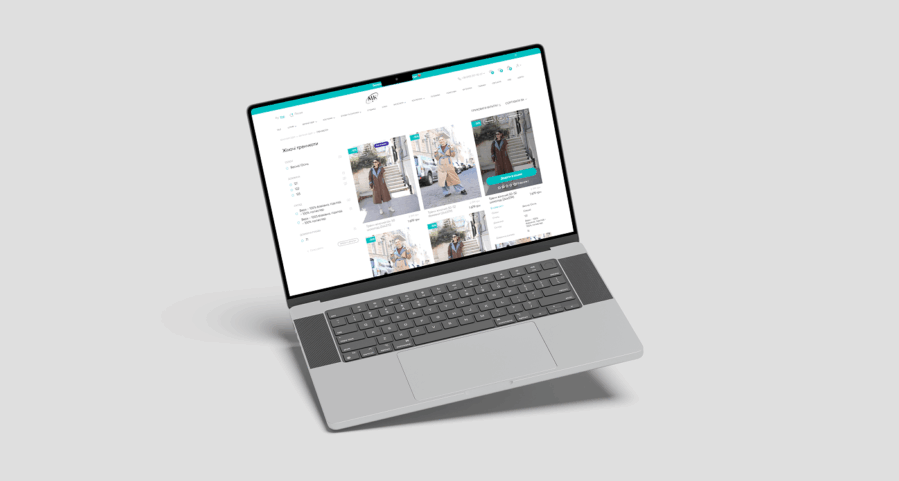


A ready-made solution with a personal account, basic SEO setup, payment and delivery system integration, as well as automatic product filling.

Without a personal account with basic SEO setup, integration of payment and delivery systems, and automatic product filling.

If the website is already running, we can improve specific functionality without a complete redevelopment from scratch.


Head of Development Department Svitli.Agency


В 2024 з вами було добре 🤗
В 2025 бажаю вам зберегти все це що я описав вище. Для мене ці риси є ключовими. Зростайте, розвивайтесь та не втрачайте командного духу. Я його відчуваю навіть в переписці, ви молодці.
Окрема подяка за оперативне спасіння "вкраденого сайту" 🙌 Це був мій перший досвід, сподіваюсь останній. Проте з вами відчував себе впевнено і знав що все вийде!
Дякую, бережіть себе 💙

Роботи завжди виконуються якісно і в обумовлені терміни, що особливо важливо для нашого бізнесу. Команда SVITLI демонструє високий рівень кваліфікації, оперативність та увагу до деталей.
Ми повністю задоволені їх підходом і результатами нашої співпраці. Рекомендуємо компанію SVITLI як надійного та професійного партнера. Команда CLUB120

До цього ми працювали з іншими агентствами (з іншим сайтом, але тієї ж ніші), і різниця просто колосальна — жодна з них не наблизилася до такого результату. Рекомендуємо!


Frequently Asked Questions
The choice depends on the size of the catalog, required integrations, expected load, budget, and future development plans. An off-the-shelf platform is suitable for standard requirements, while complex business logic may require a custom solution.
On average, a launch takes anywhere from several weeks to several months, depending on the complexity of the functionality and the size of the catalog.
If access to the database is available, the product range, categories, customer data, and, where the structure of the original platform allows it, order history can be migrated.
This is done by integrating the website with an inventory management system that automatically synchronizes stock levels at specified intervals or in real time if supported by the accounting system.
Yes. This functionality can be incorporated during the design stage, making it easier to scale the business into other markets.
The client should prepare brand guidelines, product photos and descriptions, size charts, as well as the payment and delivery methods that need to be integrated.
Yes. A properly designed architecture makes it possible to add new modules, integrations, and features as the company grows.
Tell us about your brand, product range, and current sales channels. If you already have a website, add the link, and we’ll assess what can be improved.
Development of an Online Clothing Store
For a fashion retailer today, an attractive offline showroom is no longer enough: a significant part of the customer journey takes place online, and the convenience of a digital storefront directly affects the number of orders and the company’s revenue. Developing and creating an online clothing store requires careful attention to every component, including fast catalog loading, intuitive navigation, convenient filters, and a checkout process that is as simple as possible on a smartphone.
A user-friendly online storefront does more than showcase the product range. It helps eliminate customer doubts and supports purchase decisions, which is why clothing website development should be entrusted to teams that understand the specifics of fashion retail.
What Features Does a Clothing Store Website Need?
Before starting the development of an online clothing store, it is important to determine the set of tools that will make shopping convenient for customers and simplify inventory management for the business owner.
Catalog, Filters, Sizes, Colors, and Inventory Management
The catalog is the foundation of any fashion project, and online store development requires a well-planned structure for sections, search, and filtering. Customers should be able to quickly find the right products by category, brand, season, size, and color. This usually includes:
- multi-level filters based on product characteristics;
- size charts that account for different manufacturers;
- product grouping by collections and new arrivals;
- a convenient admin panel for bulk updates of stock levels and prices.
Properly configured filtering and sorting directly affect conversion rates: if a customer cannot find the right size within a few clicks, they are highly likely to switch to a competitor.
Product Pages and Visual Presentation of Clothing
Visual presentation is particularly important in fashion e-commerce, so product pages should include high-quality photos from different angles, image zoom functionality, video reviews, or 360-degree views. Fabric composition, care recommendations, and size conversion charts should also be provided. If necessary, the catalog can be connected to external services via API to automatically update product data.
Shopping Cart, Payment, Delivery, and Returns
Checkout should require as few steps as possible, including saving selected items, calculating the final price, and applying promo codes. Payment services and several logistics providers can be integrated with automatic delivery-time calculations. Special attention should also be given to returns and exchanges, as these are among the main trust factors in fashion e-commerce.
Personal Account, Favorites, Discounts, and Loyalty Program
A personal account with order history, a favorites list, and a cumulative discount system helps increase the share of repeat purchases. A loyalty program encourages customers to return, while push and email notifications about new arrivals help retain the audience.
Integrations with CRM, Inventory Systems, Marketplaces, and Analytics
Creating an online clothing store website may include integrations with CRM systems, inventory management software, marketplaces, and analytics platforms to automate order processing and data management. This helps synchronize stock levels, improve data protection, and track user behavior across the platform.
Building an Online Clothing Store from Scratch: Project Stages
Online clothing store development in Ukraine involves several consecutive stages, each of which affects the final result.
Audience, Competitor, and Project Requirements Analysis
The team studies the target audience, analyzes competitors, and prepares technical specifications based on the client’s business goals.
Structure Planning and UX/UI Design
Based on the analysis, the team develops the website structure, page prototypes, and a visual interface concept that reflects the brand’s identity and makes catalog navigation easier.
Frontend and Backend Development with Mobile Optimization
Developers implement the interface and server-side logic, paying particular attention to responsive design and the usability of the mobile version, as a significant share of fashion traffic comes from smartphones and tablets.
Payment System and Delivery Service Integration
At this stage, payment gateways, logistics providers, and other external services required for the stable operation of the online platform are integrated.
Testing, SEO Preparation, and Launch
Before publication, the solution is tested across different devices and browsers, basic search engine optimization is carried out, and the website is deployed to the production server.
Turnkey Online Clothing Store: What Is Included in the Service?
When ordering a turnkey clothing store, the client receives a complete range of services:
- custom web design and frontend implementation;
- setup of the catalog, shopping cart, and personal account;
- integration of external services and payment systems;
- basic SEO optimization and preparation for promotion;
- staff training on how to use the admin panel.
The architecture should be designed from the outset with future scalability in mind. This makes it possible to add new categories, language versions, payment methods, integrations, and additional features without completely rebuilding the platform.
How Much Does Online Clothing Store Development Cost?
The cost depends on the scope of functionality, the number of integrations, and the complexity of the interface. The price of creating an online clothing store website is calculated individually: a basic catalog built on an off-the-shelf CMS will cost less than a custom solution with unique design, a loyalty program, CRM integration, and inventory management. The budget and timeline are agreed upon during the technical specification stage.
Why Order Clothing Store Development from Svitli?
If you want to order a website for an online clothing store that is not only visually appealing but also an effective sales tool, the Svitli team offers:
- experience in implementing fashion e-commerce solutions of varying complexity;
- custom web design tailored to the brand;
- technical support after launch;
- transparent timelines and costs at every stage.
The team continues to support the solution after release and expands its functionality as the business grows.